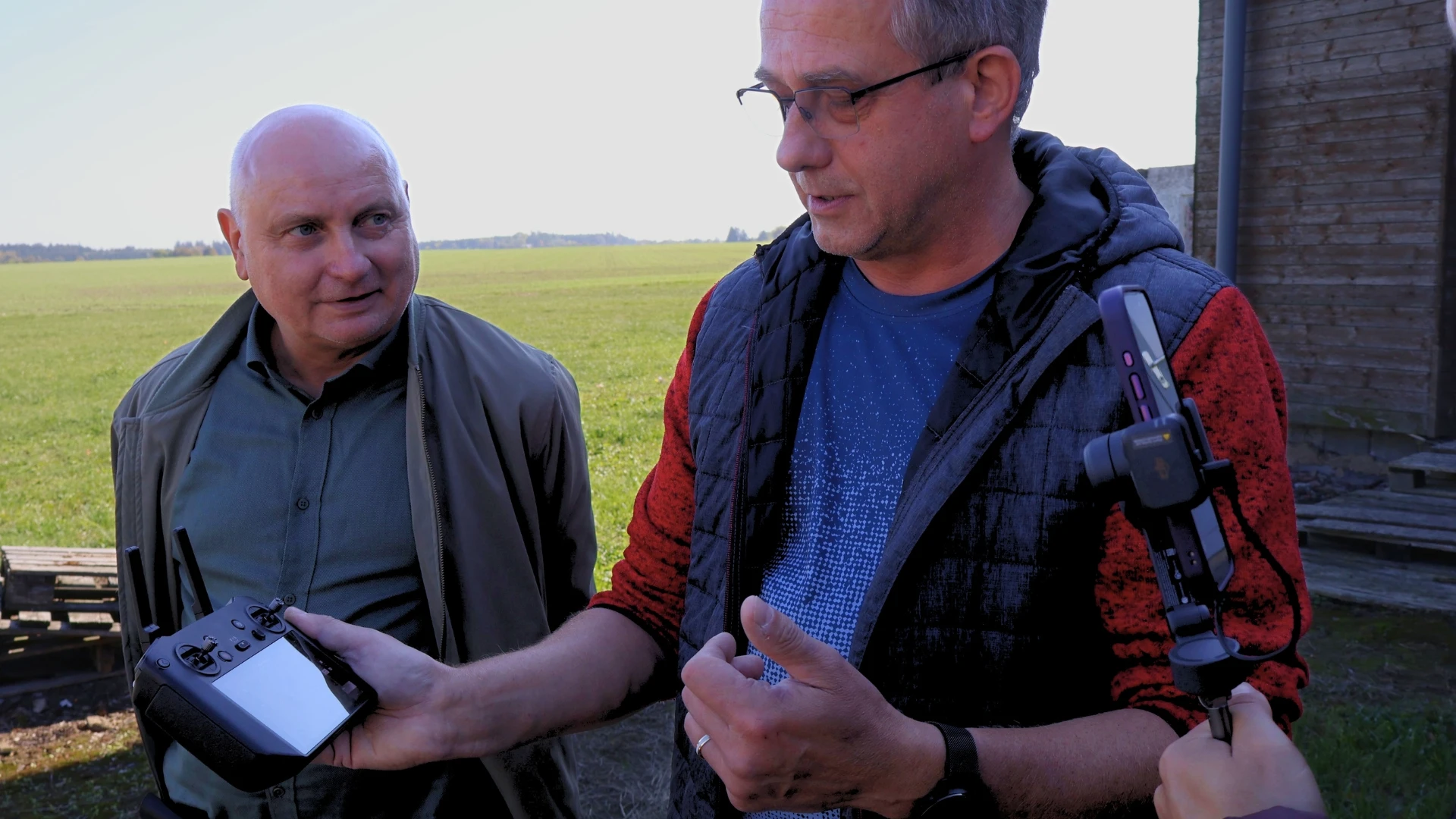
Phito’s beta app is evolving thanks to input from four Master’s students from Wageningen University, commissioned by CACV as part of their study program. In early June, the students brought their evaluation of the Phito Town Square feature to life at the Vall d’Albaida, Valencia, delivering practical feedback that will shape the next version of the app, during the BRANCHES phase.
From Prototype to Practice: Putting the Phito Town Square feature in Farmers’ Hands
The students kicked things off with a demo video, walking a group of farmers and cooperative representatives through the app’s interface. Phones came out, heads leaned in, and soon the room buzzed with curiosity. It was a hands-on moment of co-creation.
Over the course of 11 interviews, one group stood out as particularly engaged: young farmers under 45 managing mid-sized plots, along with technicians and cooperative members. Their feedback proved invaluable—not just for improving usability, but for tailoring the tool to the day-to-day realities of Mediterranean farming.
Four Areas for Smarter Platform Design


- Know Your Users: Target audience and adaptability attitude
To boost uptake, the app should speak directly to its most likely early adopters.
- Cooperative-led trainings and live demos
- A tier-based system tailored to different user types—especially young farmers and technicians
- Trust Through Transparency: User Profiles Matter
Farmers want to know who they’re talking to.
- More detailed user profiles, including role, cooperative affiliation, and expertise level
- Avoiding sensitive internal price info
- Promoting technical conversations between verified users
- Making Resources Visible: Equip Farmers for Investment
Don’t make farmers dig through profiles to see what tools are available.
- Feature tractors, equipment, and labour in a dedicated “resources” section
- Help users navigate funding opportunities and subsidies
- Specialised Knowledge Sharing: A Space for Timely Advice
Agricultural expertise should be just a few taps away.
- A Q&A/forum for issues like pest outbreaks
- Regional and international alert channels for real-time support
Tackling Real Challenges in Real Contexts
The recommendations reflect the real-world pressures faced by farmers and their cooperatives: a complex mix of economic, institutional, environmental, and social challenges that negatively influence their farming practices.
When it comes to adopting the Phito app, several barriers need to be addressed, including issues of trust, adaptability, limited specialized knowledge, and constrained investment capacity. Regarding the Phito Town Square feature, verified user profiles, integration between farmers and cooperatives, enhanced visibility of local services, and improved cross-cooperative communication are essential. Once these obstacles are overcome, the Phito app has strong potential to become a valuable tool in helping farmers meet the challenges of modern farming.


What’s Next for PHITO?
The students’ findings will directly shape the next version of the Phito App, which will still be released in 2025.. Their input on the Phito Town Square feature complements other app features including crop monitoring, smart irrigation, and knowledge sharing, each one customised to fit regional food-system contexts.
As this case study in Vall d’Albaida wraps up, one thing is clear: co-creation isn’t just a buzzword in Phito. It’s the driving force behind every new feature. And thanks to the dedication of these four students—and the farmers and cooperatives who welcomed them—the Phito Town Square is one step closer to becoming a hub for meaningful, farmer-led exchange.
Visit CACV website to learn more about their work: https://cooperativesagroalimentariescv.com/